

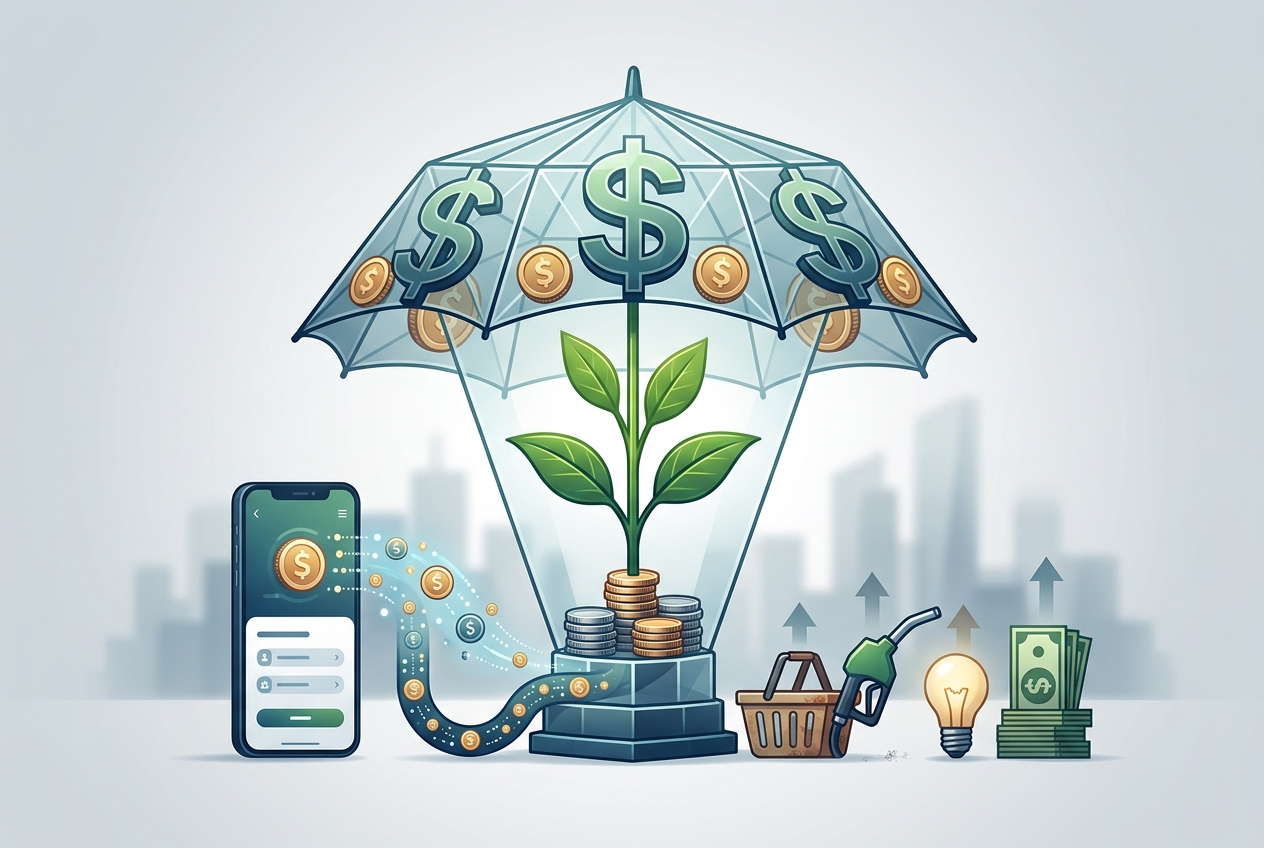

Learn practical steps to grow an emergency fund while daily costs rise, using tools, tips, and expert guidance to stay financially resilient.
Feeling squeezed by rising bills? You’re not alone, and there’s a clear path forward. In this guide we’ll break down a proven strategy, give you actionable tools, and help you protect your future.
Key Takeaways
- Start with a realistic, affordable target.
- Automate contributions to eliminate decision fatigue.
- Prioritize high‑yield, liquid accounts.
- Adjust contributions as income or expenses change.
- Review and rebalance the fund quarterly.
What Is an Emergency Fund?
An emergency fund is a liquid cash reserve set aside to cover unexpected expenses or income loss without incurring debt.
Expert Insight: Financial planners recommend treating the fund as a separate “budget line” to avoid accidental spending.
For a clear definition, see the Consumer Financial Protection Bureau and the Federal Reserve education portal.
Why It Matters When Costs Rise
When everyday costs such as groceries, utilities, and transportation increase, disposable income shrinks, making any financial shock more damaging.
Expert Insight: Inflation erodes purchasing power; a well‑stocked emergency fund preserves your ability to meet essential needs.
Research from the U.S. Bureau of Labor Statistics shows a steady rise in consumer price indexes, underscoring the need for a buffer. The National Bureau of Economic Research also highlights the correlation between savings and financial resilience.
Building the Fund: Step‑by‑Step Framework
Creating an emergency fund is a systematic process that can be broken into five clear stages.
Expert Insight: Treat each stage as a milestone; celebrate progress to stay motivated.
| Stage | Action | Typical Timeframe |
|---|---|---|
| Calculate 3‑6 months of essential expenses. | 1 week |
| Select a high‑yield savings account or money‑market fund. | 1 day |
| Set up recurring transfers from checking. | Immediate |
| Increase contributions as income rises or expenses drop. | 3‑12 months |
| Reassess quarterly and rebalance if needed. | Quarterly |
For guidance on high‑yield accounts, consult the FDIC and the Investopedia guide.
Tools / Practical Applications
Technology can simplify fund building, from budgeting apps to automatic transfer services.
Expert Insight: Choose tools that sync with your bank to avoid manual errors.
Popular budgeting platforms like YNAB and Mint offer goal‑tracking features. For automatic transfers, many banks provide “round‑up” programs that funnel spare change into savings.
Common Mistakes and How to Avoid Them
Even savvy savers slip up; recognizing pitfalls early prevents setbacks.
Expert Insight: The most costly error is keeping the fund in a low‑interest checking account.
According to the Consumer.gov financial‑literacy site, a common mistake is using the fund for non‑emergencies. The USA.gov advises keeping the money liquid but separate from everyday accounts.
What Should You Do Next?
Take immediate action by setting a concrete target and automating your first transfer.
Expert Insight: Start small—$50 or $100 per month—and increase as you see the balance grow.
Use the IRS guidelines to understand any tax‑advantaged savings options, and consult the National Association of Personal Financial Advisors for personalized advice.
Conclusion
Building an emergency fund amid rising everyday costs is challenging but achievable with a disciplined framework, the right tools, and regular reviews.
Expert Insight: Consistency beats perfection—keep contributing, adjust as life changes, and your financial safety net will strengthen over time.
AI Disclosure
This content was written by AI and reviewed by a human for quality and compliance.