

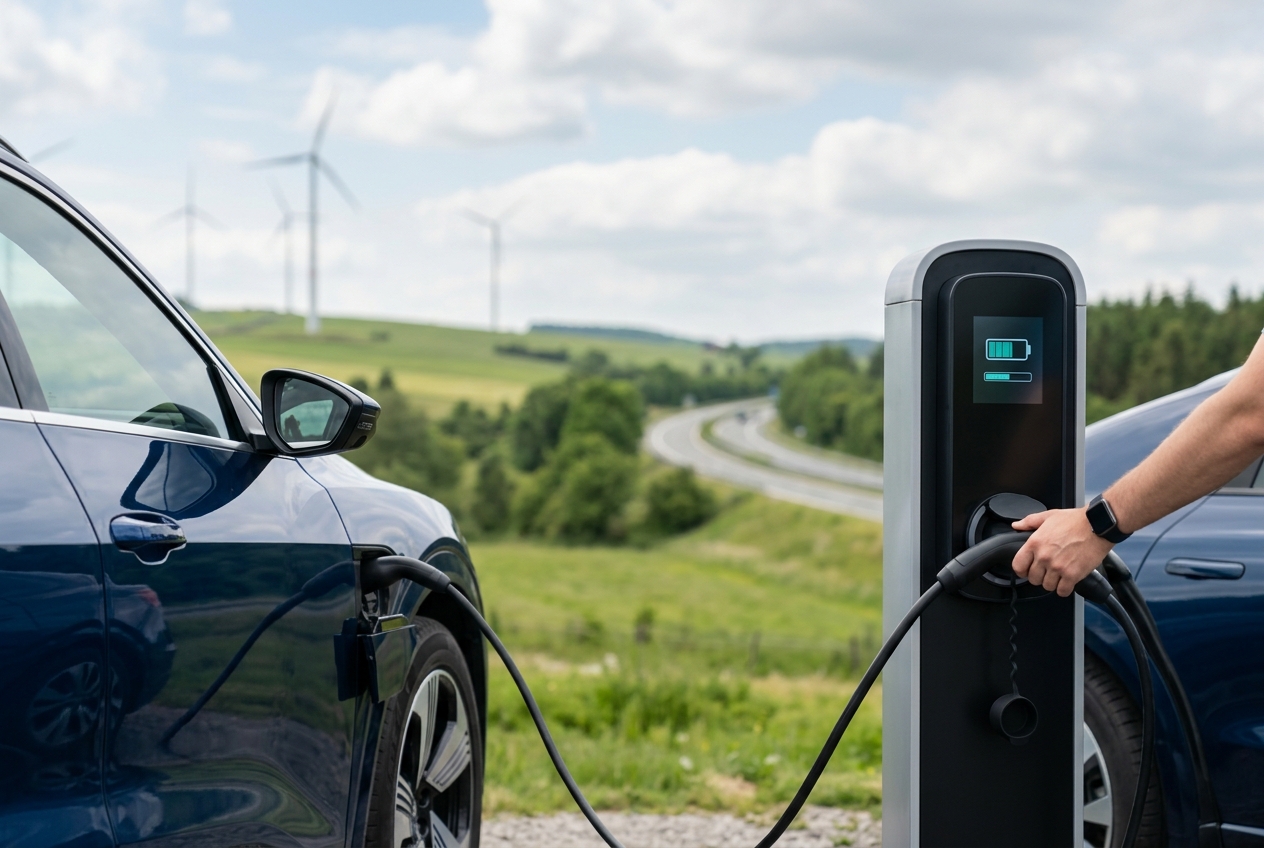

Discover essential factors drivers must consider before purchasing an electric SUV, from range and charging to incentives and total cost and future value.
Electric SUVs are reshaping the road, offering space without sacrificing sustainability. As drivers shift to greener power, understanding the nuances can save money, time, and frustration. This guide walks you through the most critical considerations before you sign the paperwork.
Key Takeaways
- Range varies widely between models
- Charging speed depends on battery and infrastructure
- Incentives can lower upfront cost dramatically
- Total cost of ownership includes maintenance and electricity
- Vehicle size impacts cargo and passenger comfort
- Resale value is improving as market matures
- Software updates can enhance performance over time
What Is an Electric SUV?
An electric SUV is a sport‑utility vehicle powered exclusively by one or more electric motors and a rechargeable battery pack, eliminating the need for gasoline.
Expert Insight: “The torque delivery of electric drivetrains gives SUVs a smoother launch than most internal‑combustion rivals.”
For a technical definition, see the U.S. Department of Energy and the International Energy Agency analysis.
Why Choose an Electric SUV?
Choosing an electric SUV merges the practicality of a larger vehicle with the environmental and economic benefits of zero‑emission driving.
Expert Insight: “Tax credits and lower fuel costs can offset the higher sticker price within three to five years for most families.”
Studies from EPA’s Green Vehicle program and National Renewable Energy Laboratory demonstrate long‑term savings.
Key Factors to Evaluate When Buying
When evaluating an electric SUV, focus on range, charging capability, price, incentives, and software ecosystem.
Expert Insight: “Create a checklist that ranks each factor based on your daily commute and weekend adventures.”
| Model | EPA Range (miles) | Starting Price (USD) | Fast‑Charge (kW) |
|---|---|---|---|
| Tesla Model Y | 330 | 49,990 | 250 |
| Ford Mustang Mach‑E | 305 | 44,095 | 150 |
| Volkswagen ID.4 | 260 | 38,995 | 125 |
| Hyundai Ioniq 5 | 300 | 43,650 | 220 |
Data compiled from Fuel Economy.gov and Consumer Reports provide a reliable benchmark.
Battery Range and Real‑World Driving
Range estimates are based on standardized tests; real‑world mileage can differ due to temperature, terrain, and driving style.
Expert Insight: “Cold weather can shave 15‑20% off the EPA rating, so factor a buffer for winter trips.”
For detailed climate impact, consult the National Highway Traffic Safety Administration and the DOE’s range guide.
Charging Infrastructure and Home Setup
Access to reliable charging—both at home and on the road—determines the practicality of an electric SUV for daily use.
Expert Insight: “Installing a Level 2 home charger reduces charging time to 4‑6 hours, making overnight charging effortless.”
Explore public network maps from U.S. Department of Transportation and PlugShare for route planning.
Total Cost of Ownership and Incentives
Beyond the purchase price, consider fuel savings, maintenance, insurance, and available federal or state incentives.
Expert Insight: “A 30% federal tax credit can bring a $55k SUV down to $38.5k, dramatically improving ROI.”
Reference the IRS qualified EV credit page and the NHTSA’s cost‑of‑ownership calculator.
Performance, Space, and Lifestyle Fit
Electric SUVs must meet expectations for acceleration, cargo capacity, and comfort while delivering a smooth driving experience.
Expert Insight: “Check the payload rating; electric batteries add weight that can affect towing capacity.”
Read comparative reviews on Cars.com and Motor Trend for real‑world performance data.
Tools / Practical Applications
Various digital tools help you simulate range, locate chargers, and calculate total cost of ownership.
Expert Insight: “Use the Fuel Economy calculator alongside a spreadsheet to model monthly electricity costs.”
Additional resources include the DOE charging guide and the NREL EV toolkit.
What Should You Do Next?
After gathering information, narrow down models, arrange test drives, and verify local incentives before finalizing your purchase.
Expert Insight: “Create a short‑list and compare the total cost over a five‑year horizon rather than just the sticker price.”
Consult the Consumer Financial Protection Bureau for financing tips and the DOE incentive database for regional offers.
Conclusion
Buying an electric SUV is a strategic decision that blends environmental responsibility with personal convenience, provided you understand range, charging, costs, and incentives.
Expert Insight: “Treat the purchase as a long‑term investment; the right model will pay off in savings and satisfaction for years to come.”
AI Disclosure
This content was written by AI and reviewed by a human for quality and compliance.