

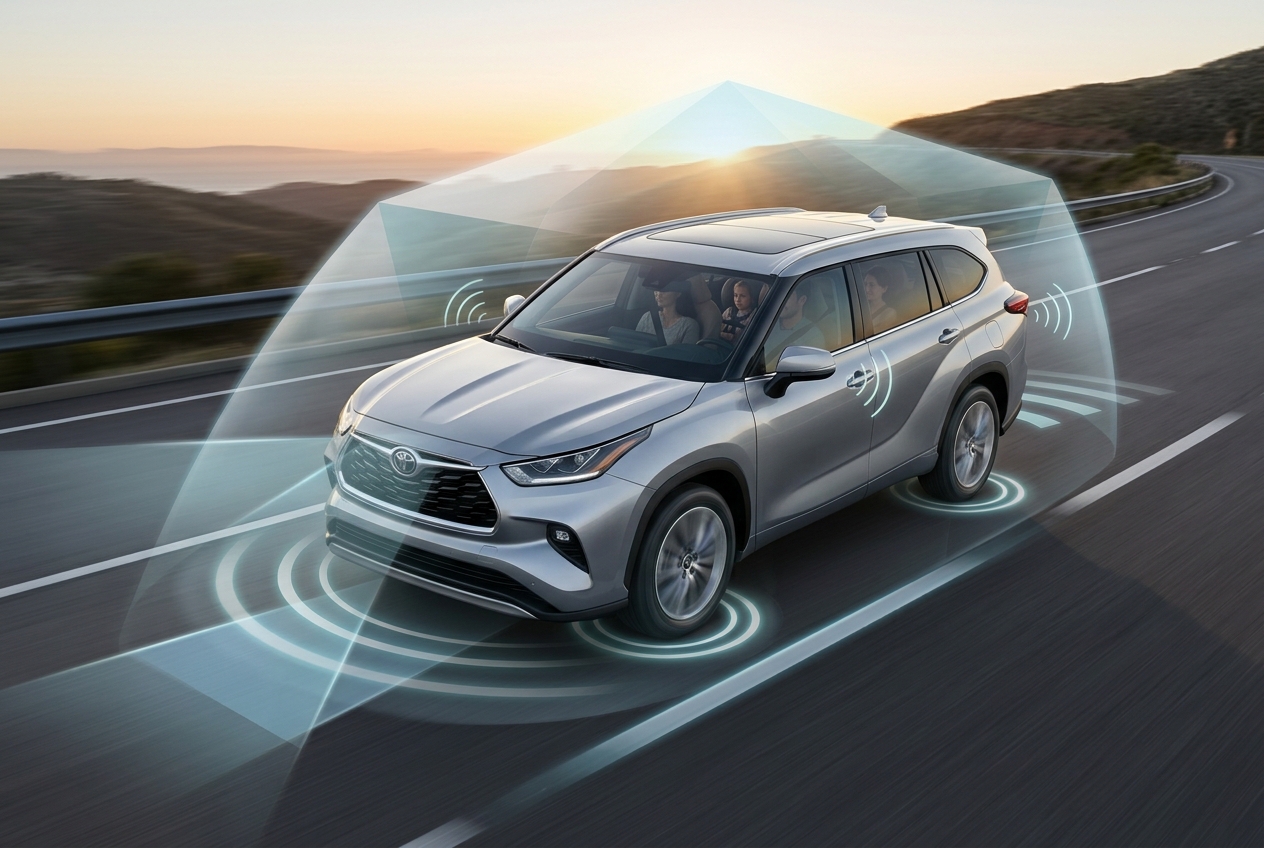

Discover the essential safety features every family vehicle should have, from airbags to advanced driver assistance, and keep your loved ones protected.
Choosing a car for your family feels like a high‑stakes decision, and safety is the non‑negotiable foundation. In this guide we break down the most reliable features and show how they protect you on every road.
Key Takeaways
- Airbags and seatbelts remain the first line of defense.
- Automatic emergency braking can prevent many collisions.
- Blind‑spot monitoring reduces lane‑change risks.
- Child‑seat anchors must meet LATCH standards.
- Driver‑attention alerts combat fatigue.
- Regular software updates keep safety systems current.
- Choosing a vehicle with a high safety rating saves lives.
What Makes a Vehicle Safe for Families?
Safety for a family car is a combination of passive protection—like airbags—and active systems that help avoid crashes before they happen.
Expert Insight: According to the National Highway Traffic Safety Administration, a vehicle that integrates both passive and active technologies cuts injury risk by up to 40 %.
Framework: Use the following quick checklist when evaluating a model:
- Passive protection: airbags, crumple zones, seatbelt pretensioners.
- Active assistance: AEB, lane‑keep, adaptive cruise.
- Child‑seat compatibility: LATCH anchors, rear‑seat reminders.
- Crash‑test ratings: NHTSA 5‑star, IIHS Top Safety Pick.
For detailed ratings, visit the National Highway Traffic Safety Administration and review the IIHS safety ratings for comparative data.
Why These Safety Features Matter
Each feature targets a specific crash scenario, turning a potentially fatal event into a survivable one.
Expert Insight: A study by the CDC shows that vehicles equipped with automatic emergency braking experience 50 % fewer rear‑end collisions.
Common mistake: assuming a high safety rating guarantees protection without checking if the vehicle’s suite matches your family’s needs.
Trade‑off analysis: While advanced driver‑assist systems add cost, they often reduce insurance premiums and long‑term repair expenses.
Further reading on crash statistics can be found at the CDC Transportation Safety and the U.S. Department of Transportation.
Core Safety Systems to Prioritize
Prioritizing the right systems ensures comprehensive protection for drivers, passengers, and child occupants.
Expert Insight: The most effective safety suite includes a blend of crash avoidance and occupant protection technologies.
| System | Function | Typical Placement |
|---|---|---|
| Airbags | Deploy on impact to cushion occupants | Front, side, curtain |
| Automatic Emergency Braking (AEB) | Detects imminent collision and brakes | Front sensor suite |
| Lane‑Keep Assist | Warns or steers to stay in lane | Camera near rearview mirror |
| Blind‑Spot Monitoring | Alerts when vehicle in blind spot | Side radar sensors |
| Rear‑Cross Traffic Alert | Warns of traffic when reversing | Rear radar |
| Child‑Seat Anchors (LATCH) | Secure child seats without seatbelts | Rear seat lower anchors |
When comparing models, consult the NHTSA vehicle ratings and the IIHS Top Safety Pick for independent verification.
Misconception correction: More airbags do not always mean better safety; proper placement and sensor integration are crucial.
Tools / Practical Applications
Modern technology offers tools that help families monitor and maintain vehicle safety over time.
Expert Insight: Using a vehicle health app can alert you to sensor malfunctions before they affect performance.
- Mobile apps (e.g., manufacturer’s safety app) for real‑time alerts.
- On‑board diagnostics (OBD‑II) scanners to read safety‑system codes.
- Online safety‑feature checklists from consumer‑advocacy groups.
For reliable data, see the Consumer Reports car safety section and the NHTSA safety technology overview.
What Should You Do Next?
After understanding the essential features, the next step is to evaluate specific models against your family’s priorities.
Expert Insight: Schedule test drives that let you experience each active‑assist feature in real traffic conditions.
Decision guidance checklist:
- Verify crash‑test ratings from NHTSA and IIHS.
- Confirm LATCH anchors and rear‑seat reminder functionality.
- Check for software update capabilities via OTA (over‑the‑air).
- Compare insurance discounts for equipped safety tech.
Additional resources: The NHTSA road safety page and the IIHS ratings portal provide up‑to‑date information.
Conclusion
Choosing a family vehicle with a robust safety suite protects lives and offers peace of mind on every journey.
Expert Insight: Investing in a car that excels in both passive and active safety pays dividends in reduced injury risk and long‑term ownership costs.
Remember to revisit safety features after major recalls or software updates to keep your family protected.
For more guidance, see the NHTSA vehicle safety guidance and the IIHS road safety resources.
AI Disclosure
This content was written by AI and reviewed by a human for quality and compliance.