

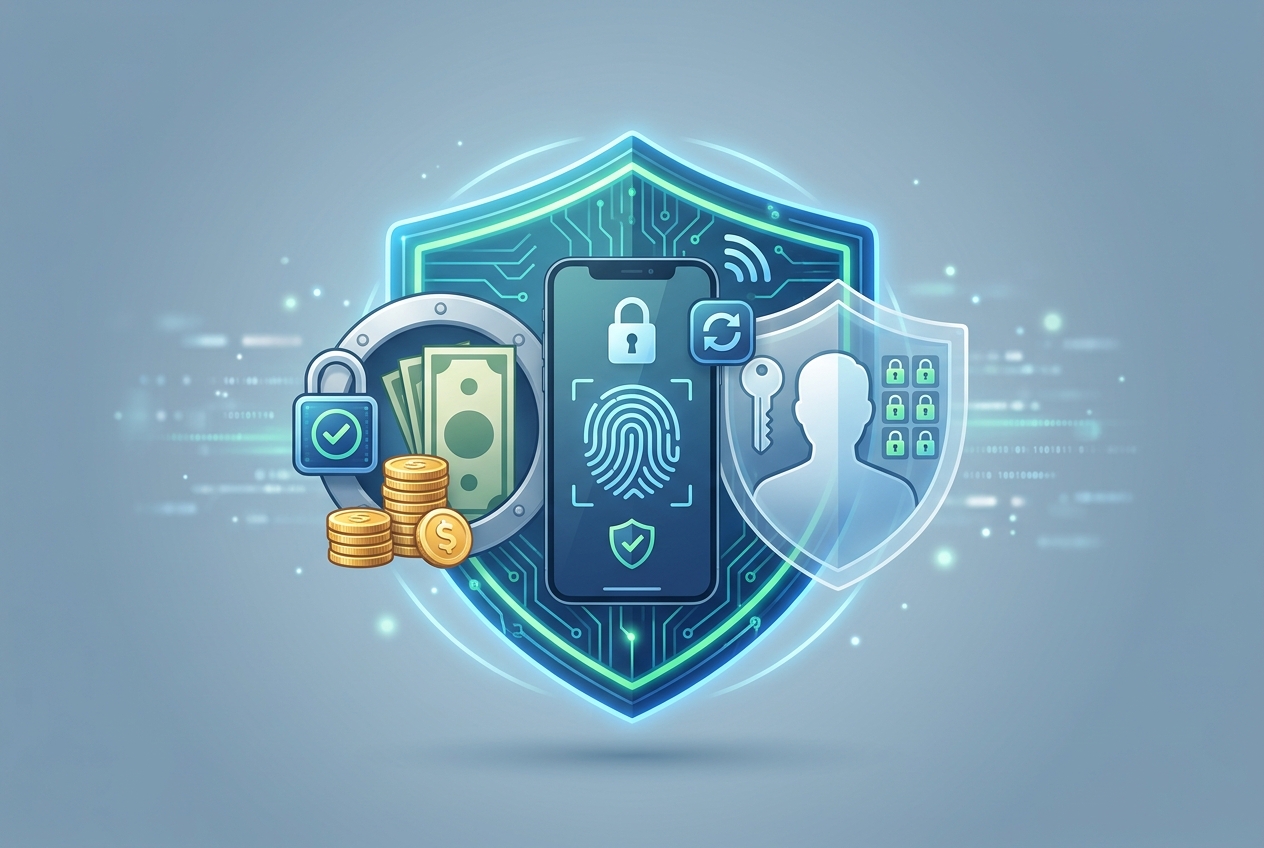

Protect your money, phone, and identity with proven cybersecurity tips that stop fraud, hacks, and theft. Simple steps keep cyber threats at bay.
Every day we rely on digital tools to manage finances, communicate, and verify who we are. Yet the same convenience creates new avenues for attackers. This guide equips you with actionable defenses so you can stay ahead of threats.
Key Takeaways
- Use strong, unique passwords for every account.
- Enable multi‑factor authentication wherever possible.
- Regularly update software and operating systems.
- Monitor financial statements for unknown transactions.
- Lock and encrypt your mobile device.
- Beware of phishing links in emails and texts.
- Keep personal data off public Wi‑Fi networks.
What is Cybersecurity for Money, Phone, and Identity?
Cybersecurity in this context means protecting the digital assets that represent your cash, your mobile device, and your personal identity from unauthorized access and misuse.
Expert Insight: Treat each asset as a separate security perimeter and apply layered defenses.
For foundational definitions, see the FTC’s consumer protection page and the NIST Cybersecurity Framework.
Why protecting your financial and personal data matters
Financial loss, identity theft, and device hijacking can cripple lives and erode trust in digital services.
Expert Insight: The ripple effect of a single breach often reaches credit scores, employment, and even legal standing.
Authorities such as the FBI’s cybercrime division and the CISA agency stress early detection and prevention.
Common Threats and How They Operate
Understanding the tactics attackers use helps you spot them before they succeed.
Expert Insight: Most attacks exploit human psychology rather than technical flaws.
| Threat | Typical Vector | Impact |
|---|---|---|
| Phishing | Email or SMS links | Credential theft |
| Malware | Fake apps or downloads | Device control |
| SMi | Phone number spoofing | Bank fraud |
| Data Breach | Compromised retailer databases | Identity theft |
Further reading: IdentityTheft.gov and CISA’s threat overview.
Strategies to Safeguard Your Money
Secure your finances by combining strong authentication, vigilant monitoring, and safe banking habits.
Expert Insight: A simple two‑step verification can block 90% of unauthorized login attempts.
Framework: 1) Use a password manager; 2) Enable MFA on banking apps; 3) Set up transaction alerts; 4) Review statements weekly.
Resources: FDIC consumer guidance and SEC fraud alerts.
Strategies to Safeguard Your Phone
Your phone stores passwords, payment tokens, and personal contacts, making it a high‑value target.
Expert Insight: Encrypting the device and using a biometric lock adds a strong barrier.
Checklist: 1) Install OS updates promptly; 2) Use a reputable mobile security app; 3) Disable unknown sources; 4) Remote‑wipe capability enabled.
Authority sources: Electronic Frontier Foundation and NIST mobile security guidelines.
Strategies to Safeguard Your Identity
Identity theft can persist for years, affecting credit, loans, and employment.
Expert Insight: Regularly freezing your credit can stop thieves from opening new accounts.
Action Plan: 1) Monitor credit reports; 2) Use identity‑theft protection services; 3) Shred physical documents; 4) Limit sharing of SSN.
Helpful links: IdentityTheft.gov and FTC identity protection.
Tools / Practical Applications
Several free and paid tools make it easier to implement the strategies above.
Expert Insight: Choose tools that offer automatic updates and cross‑device syncing.
- Password manager (e.g., Bitwarden, open‑source)
- Mobile security suite (e.g., Malwarebytes for Android/iOS)
- Credit monitoring service (e.g., AnnualCreditReport.com)
- Secure VPN for public Wi‑Fi (e.g., ProtonVPN)
Further reading: Troy Hunt’s security blog and NIST security tool recommendations.
What Should You Do Next?
Take immediate steps to harden each asset and establish a routine for ongoing protection.
Expert Insight: Small daily habits compound into a robust security posture.
- Audit your current passwords and enable MFA.
- Update your phone OS and install a security app.
- Sign up for credit‑monitoring alerts.
- Review the table of threats and test your defenses.
Guidance from FTC and CISA offers step‑by‑step checklists.
Conclusion
Protecting money, phone, and identity is a continuous effort that blends technology, habits, and awareness. By applying the layered strategies outlined here, you reduce risk and gain confidence in your digital life.