

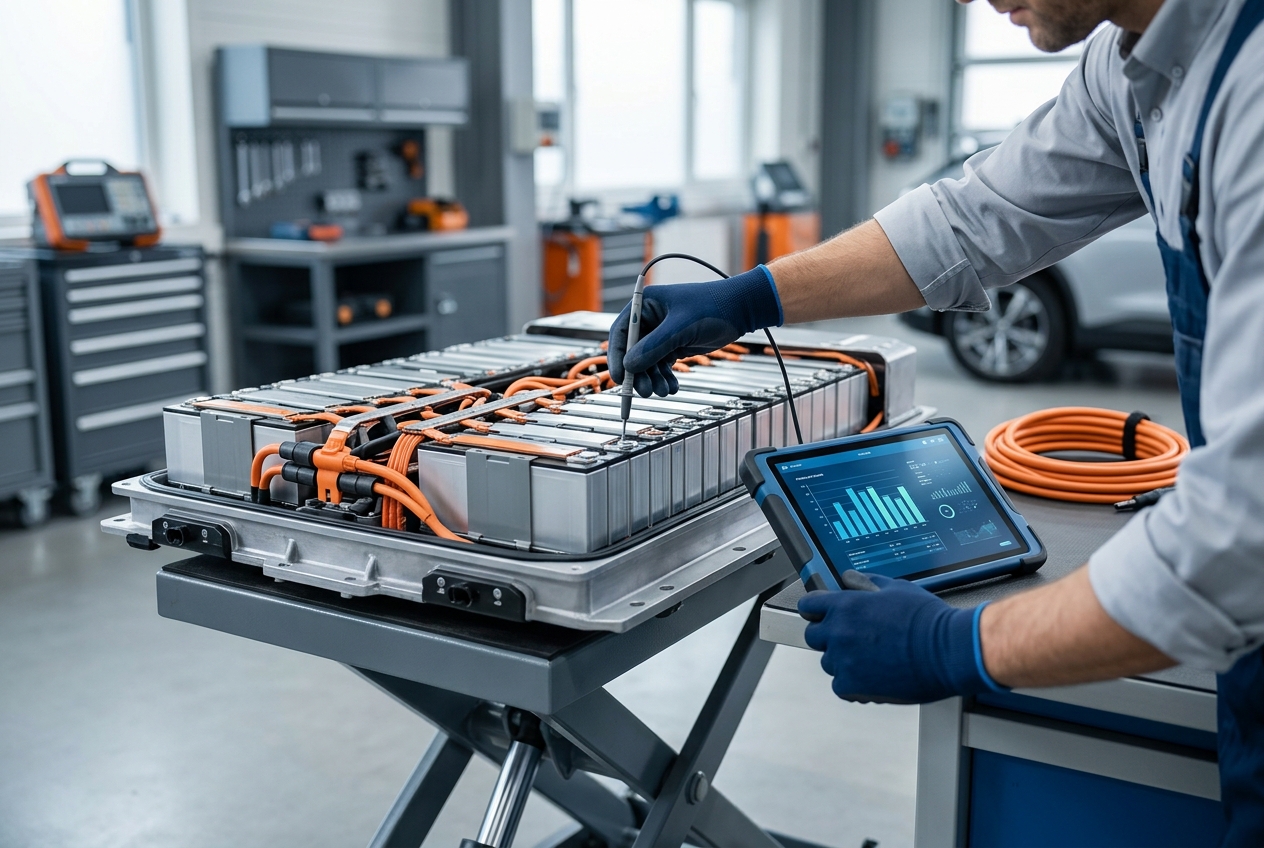

Discover how EV repair trends reshape ownership costs, from battery service to labor savings, warranty impacts, and resale value insights for drivers.
Electric vehicles are no longer a niche; they’re reshaping how drivers think about maintenance budgets. As battery technology evolves, repair patterns shift, and owners must adapt. This guide breaks down the new cost dynamics and what they mean for your wallet.
Key Takeaways
- Battery service now dominates EV repair spend.
- Labor hours often drop compared with ICE vehicles.
- Warranty coverage can offset major expenses.
- Resale value hinges on documented repair history.
- Specialized tools reduce diagnostic time.
What Exactly Are Electric Vehicle Repairs?
Electric vehicle repairs encompass any maintenance or fix performed on a car powered by an electric drivetrain, from battery module replacement to software updates.
Expert Insight: Technicians report that a single battery cell fault can cost as much as a full engine overhaul in a gasoline car.
Understanding the scope helps owners budget realistically. For authoritative definitions, see the U.S. Department of Energy’s EV guide here and the National Highway Traffic Safety Administration’s safety standards here.
Why Do Repair Costs Influence Ownership?
Repair expenses directly affect the total cost of ownership, shaping decisions about leasing, buying, or holding an EV.
Expert Insight: A common mistake is ignoring the long‑term warranty impact when calculating resale value.
Higher upfront repair costs can be mitigated by lower fuel and maintenance expenses over the vehicle’s life. The International Energy Agency’s cost‑analysis report provides detailed comparisons, and Consumer Reports offers a practical ownership calculator here.
Which Repair Areas Drive Cost Changes?
Key repair categories include battery health, power electronics, regenerative braking systems, and software diagnostics.
Expert Insight: Battery health checks are now routine, reducing unexpected failures.
| Repair Category | Typical ICE Cost | Typical EV Cost |
|---|---|---|
| Engine/Powertrain | $500‑$1,200 | $200‑$800 (electric motor) |
| Battery Module | N/A | $1,000‑$4,000 |
| Brake System | $300‑$700 | $150‑$400 (regenerative) |
| Software Update | $0‑$100 | $0‑$150 (dealer) |
These figures illustrate why EVs can have lower routine costs but higher occasional battery expenses. For deeper data, the U.S. EPA’s vehicle emissions and cost database is a reliable source, and the National Renewable Energy Laboratory’s research covers lifecycle analysis.
Tools / Practical Applications
Specialized diagnostic scanners, thermal imaging cameras, and battery management software enable faster, more accurate repairs.
Expert Insight: Investing in a quality OBD‑II EV scanner can cut diagnostic time by up to 40%.
Mechanics rely on tools like the CAN‑bus analyzer ISO‑15765 and thermal cameras from FLIR for battery checks. Training programs from the Automotive Service Excellence (ASE) certify technicians in EV-specific procedures.
What Should You Do Next?
Start by reviewing your vehicle’s warranty, scheduling regular battery health checks, and budgeting for potential high‑cost component replacements.
Expert Insight: A proactive maintenance plan can preserve resale value and avoid surprise expenses.
Steps to take:
- Read the manufacturer’s warranty booklet.
- Set a yearly appointment with an EV‑certified shop.
- Track all service records in a digital log.
- Consider an extended battery warranty if available.
Conclusion
Electric vehicle repairs are reshaping ownership costs by shifting expenses from traditional engine work to battery and software domains, while often reducing labor hours.
Expert Insight: Understanding these dynamics empowers drivers to make informed financial decisions and maximize vehicle value.
Stay informed, leverage specialized tools, and keep detailed records to turn the evolving repair landscape into an advantage.
AI Disclosure
This content was written by AI and reviewed by a human for quality and compliance.